-
Brain Hemispheres and Lateralization

The human brain is split into two different hemispheres: the right hemisphere and the left hemisphere. While the brain is split down the middle into two equal hemispheres, many people believe that the left side of the brain is more logical and deals with analytical and intellectual situations, while the right side of the brain…
-
Brain-Computer Interfaces and the Asia-Pacific
The intersection of neuroscience and technology, Brain-Computer Interfaces (BCIs) are fascinating innovations that connect the complexities of the human brain and technology. BCI’s powerful abilities have created new strides in human cognitive and physical ability, and potentially even international exchange. Brain-computer interfaces, or BCIs, are systems that gain signals from the central nervous system, analyze…
-
The Significance of Henrietta Lacks
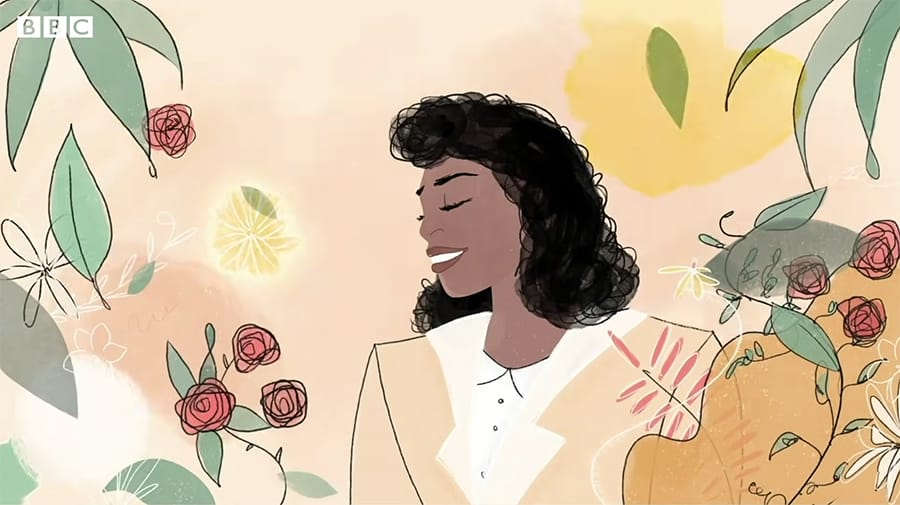
Figure 1– This is an image of Henrietta Lacks, an African American woman responsible for the HeLa cell line, the first immortal cell line. Henrietta was treated for cervical cancer at the Johns Hopkins Hospital in Baltimore, Maryland. Henrietta lived until 1951, when she died at 31 years old. [1] Who was Henrietta Lacks? For…
-
An Intro to Brain Computer Interfaces
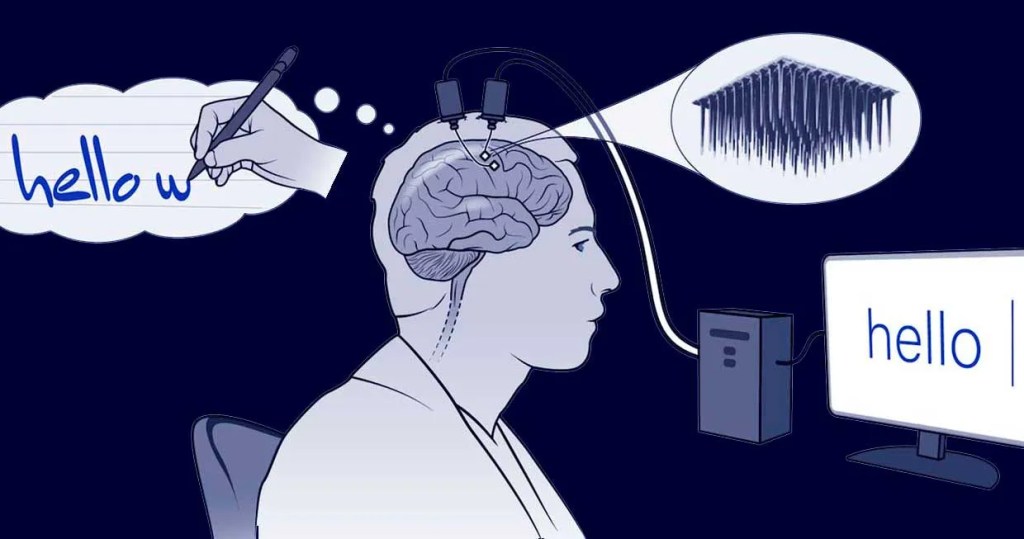
Our world is constantly evolving. From self-driving cars to advancements in ultrasounds, inventors, scientists, and doctors have created devices that make our lives easier in all different ways. It is apparent that brain injuries and disorders have a significant impact on people’s lives, but how have scientists worked to improve the daily lives of people…
-
Teaching at Greenfield School

This march, I was fortunate enough to take a trip to Lucknow, India to teach middle school students at Greenfield School! I taught the students about both the effects of music on human brains, as well as a dance class. I am so glad that I was able to have such an immersive experience as…
-
Brain Talk Session 2: Music and the Brain
Introduction: Music is an extremely big part of our daily lives. We hear it when we turn our radios on in the mornings, when we go out to eat, and when we go on social media; the list goes on. Music can also play important roles in people’s lives including weddings, lullabies when we are…
-
Brain Talk Session 1: Trauma and the Brain

Introduction: Post Traumatic Stress Disorder (PTSD) is a highly complex condition, affecting around 12 million adults in the United States alone in the past year. [1] Even more concerning, it is said that 6 out of every 100 people at some point in their lives will experience PTSD [1]. So what is PTSD and how…

A Matter of the Brain
A place to feed your curiousity about the wonders of the brain.
 A Matter of the Brain